Building apps with Sevalla and Claude Code as a non-technical person
First things first: I am not a developer.
Sure, I know some HTML, CSS, and enough JavaScript to occasionally make things worse before I make them better, but actually building applications has never been my thing. I'm a technical writer. My job is usually to explain how the thing works, not build the thing itself.
That's actually how I ended up working with Sevalla. I write the Sevalla documentation, and when the Sevalla MCP server launched, I was very excited to try it out. Mostly because I wanted to see if someone like me, someone who definitely does not introduce themselves as "full stack" on LinkedIn, could actually build something useful.
The idea: solving my own problem
To test it properly, I needed an idea.
I go to the gym a lot, and while there are approximately 47 million fitness apps already in existence, none of them really work the way I want. Some require subscriptions, some try to turn every workout into a social media event, and some seem deeply committed to convincing me I need "AI-powered burpee insights."
I just wanted something simple:
- Plan my own workouts
- Track my lifts
- See progression over time
- Share workouts with my friends
- Not carry around a notebook like it's 1997
I already had a physical workout logbook, but remembering to bring it to the gym every day was becoming a challenge. Meanwhile, my phone is permanently attached to my hand like an extra limb.
So I thought:
"What if I just made my own app?"
Which is not a sentence I ever expected to say.
While this experience shows how accessible modern development workflows have become, Sevalla is built for production teams running real applications, not hobby projects or experimentation. Our core users are product engineers, technical founders, and growing teams who want to ship production software without managing Kubernetes, fragile deployment pipelines, or hyperscaler infrastructure themselves. The goal is simple: remove operational overhead so teams can spend more time building products and less time operating cloud infrastructure.
That's actually part of what made this experiment so interesting to me. Even though I was building something small for personal use, I was using the same workflows and infrastructure patterns that real engineering teams use in production. I wasn't learning a toy platform or a simplified "beginner mode" experience. I was interacting with the same deployment flow, infrastructure automation, and Git-based workflow that professional teams rely on every day.
Building the app with Claude
I started by using Claude Code locally to define requirements and build the app step by step.
At first, it felt slightly ridiculous. I was basically just talking to AI:
- "Make this button bigger."
- "That layout looks weird."
- "No, not that weird."
- "Please stop making everything blue."
But after a few iterations, it actually started coming together.
And honestly? It was kind of incredible.
Just conversation-driven development.
What surprised me most wasn't just that Claude could generate code, but also how quickly I could iterate. Instead of getting stuck on infrastructure setup, local environments, or deployment configuration, I could focus almost entirely on the product itself:
- What I wanted the app to do
- How it should behave
- How it should feel to use
For someone non-technical, that shift is huge.
Deploying with Sevalla
Once version 1 was working locally, I connected Claude to Sevalla using the MCP server.
The setup was surprisingly simple. I authenticated, stayed inside Claude Code, and asked it to:
- Create the app
- Create the database
- Deploy everything to Sevalla
The first deployment failed.
Naturally.
For one brief moment, I thought:
"Ah, yes, here we go. This is the part where real developers start laughing."
But this is where the experience became genuinely impressive.
I still hadn't opened Sevalla.
I simply told Claude:
"Find out why the deployment failed and fix it."
And it did.
Turns out I'd originally built the app without specifying that it would be hosted on Sevalla, so it was using the wrong database type and an incorrect Node.js version. Claude identified the issue almost immediately, migrated the database, updated the Node version, and redeployed the app.
Successfully.
At this point, I was honestly just sitting there staring at my screen like:
"Surely this shouldn't be this easy?"
What stood out here was that Sevalla handled all the operational complexity in the background. I wasn't configuring infrastructure manually, setting up Kubernetes manifests, debugging deployment pipelines, or figuring out cloud networking. The platform abstractions combined with Claude's ability to reason through issues meant I could stay focused on outcomes rather than infrastructure.
For actual engineering teams, that time saving compounds quickly.
It actually worked
I now have a fully working app accessible from my phone whenever I go to the gym.
I can:
- Create workouts
- Schedule them
- Log exercises
- Track progress
- Share workouts
- Make updates whenever I want
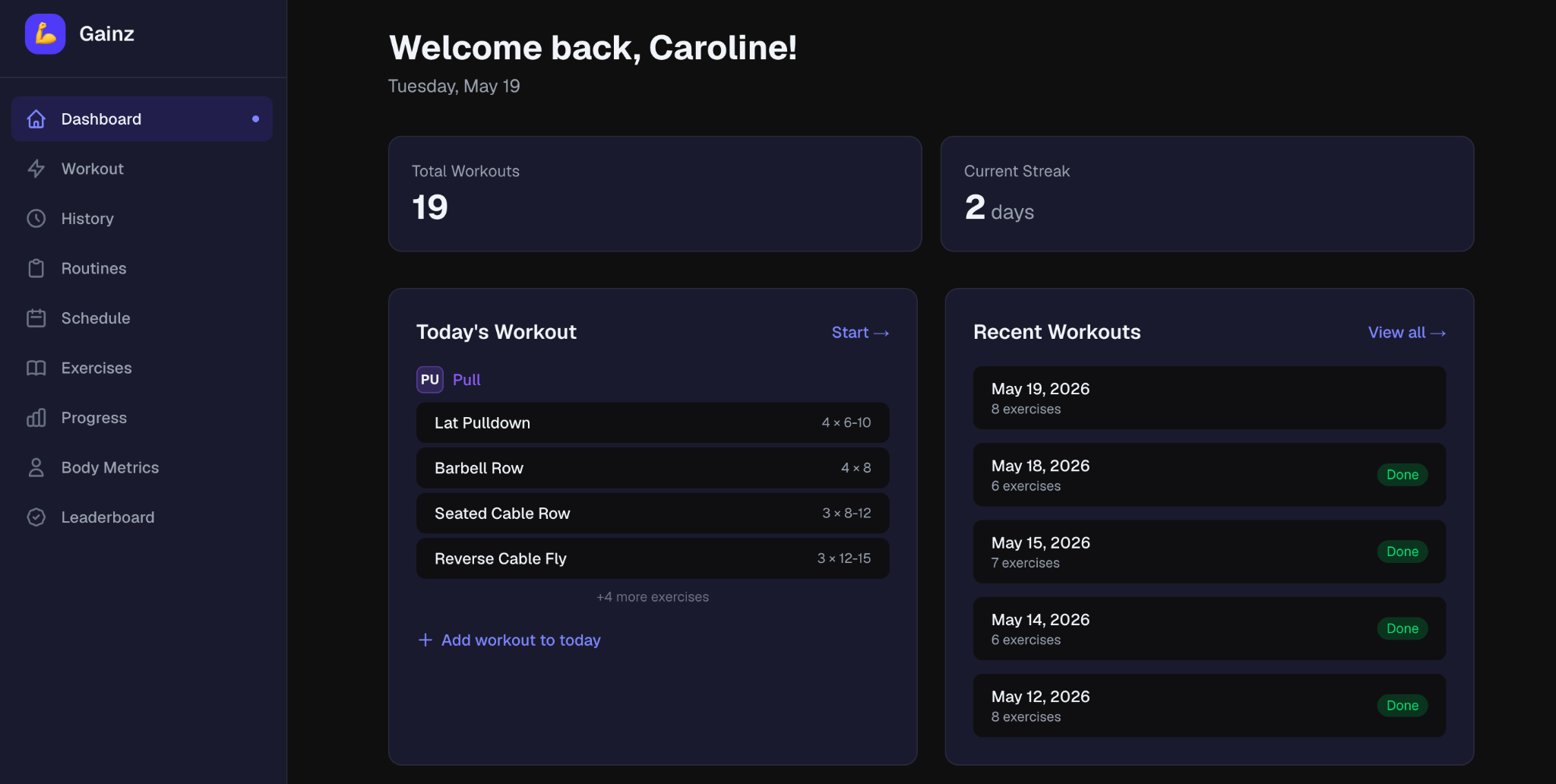
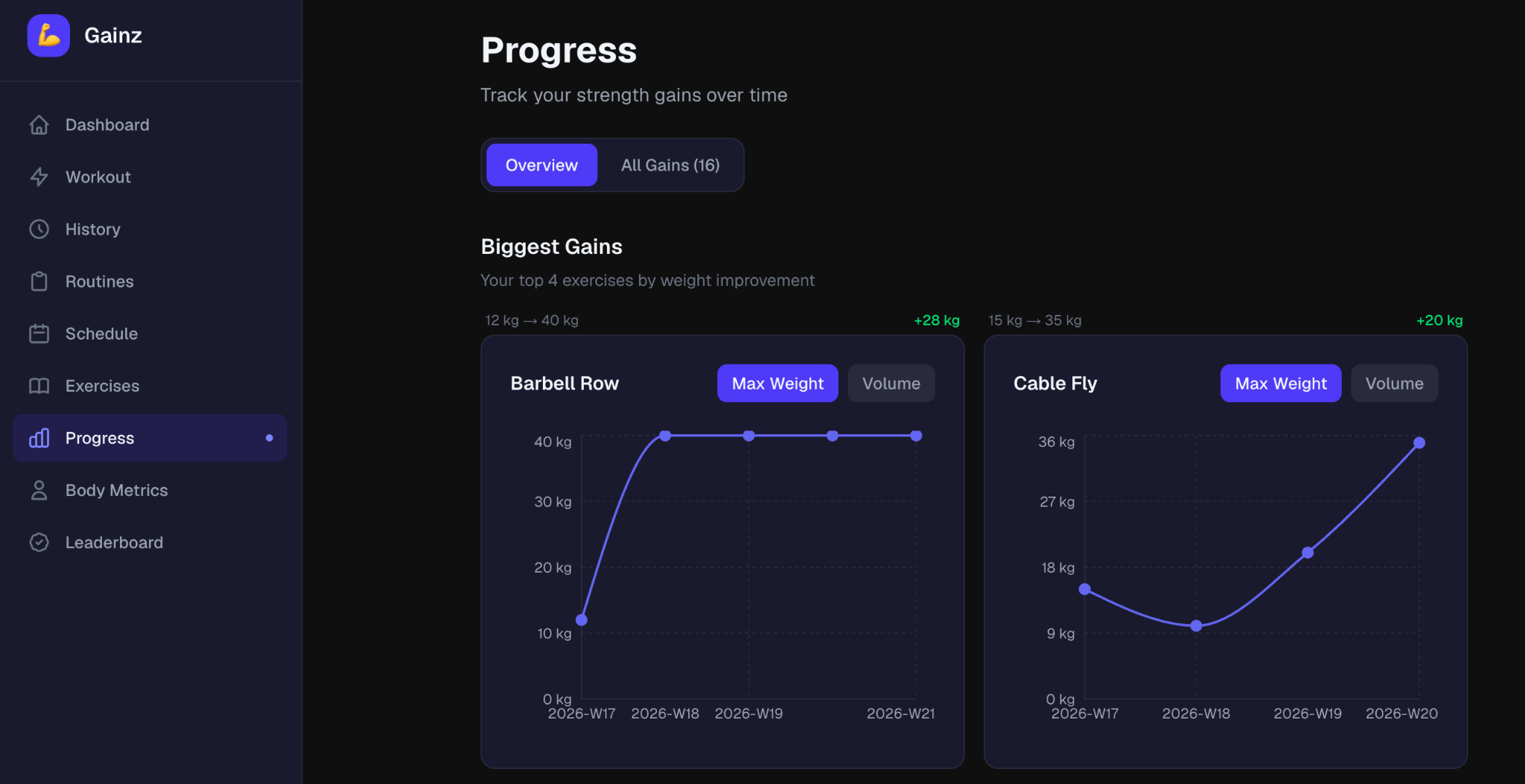
The entire process took around 8 hours, and most of that time wasn't technical work; it was me refining how I wanted the app to behave.
That's the part that really stood out to me: I wasn't fighting infrastructure, deployment pipelines, or configuration files.
I was just focused on the product idea itself.
Fixing bugs without touching infrastructure
Of course, once I actually started using the app, I noticed issues:
- Features I wanted to tweak
- Bugs
- Workflows that felt clunky
- Buttons doing mysterious button things
But fixing them was equally straightforward.
I kept a running list of improvements and later went back into Claude Code to make updates. Claude handled:
- The code changes
- Git commits
- Pushes to the repository
- Deployments to Sevalla
I barely touched the hosting platform directly.
If a deployment failed, Claude investigated the issue and fixed it.
Again: I am not a developer.
Yet somehow I had a functioning CI/CD workflow.
Naturally, I built another app
At this point, I had become dangerously overconfident.
So I built a second app.
I love travelling, and I'm extremely organised, the kind of person who creates spreadsheets for holidays "just in case." I was getting frustrated storing trip plans in my Notes app and wanted something that could:
- Organise activities day by day
- Track places to visit
- Track my flights
- Share trips with friends and family
- Use AI to get itinerary ideas
- Create a proper itinerary
So once again, I opened Claude and started describing what I wanted.
This time, I learned from my mistakes and specified upfront that the app would be hosted on Sevalla. Shockingly, this helped.
A lot.
Within a short amount of time, I had another fully functioning app built around exactly how I wanted to travel.
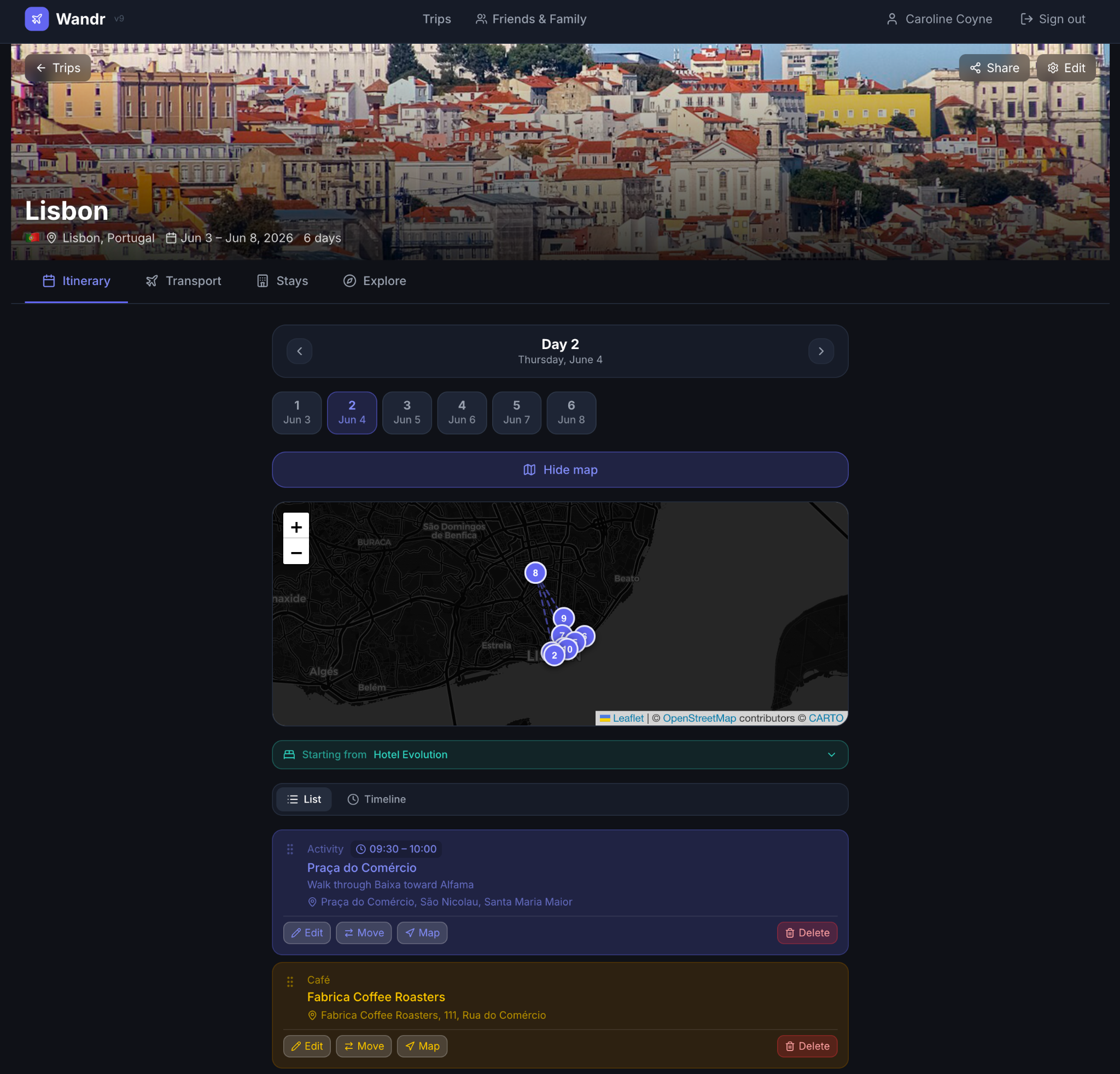
I'm using it for an upcoming trip to Lisbon, which feels slightly surreal considering a few months ago I would have confidently told you:
"I can't build apps."
Final thoughts
To be clear, I'm not about to quit technical writing and become a "vibe coding influencer." The apps are purely for personal use, and I still have enormous respect for actual developers who understand what's happening under the hood.
But I am incredibly impressed by what tools like Claude Code and Sevalla make possible.
For the first time, it genuinely feels like non-developers can move beyond just having ideas and actually build useful software themselves.
And honestly? That's pretty cool.